Computer Science Student · Freelance Developer
 Krish Shah
I'm a third-year CS student, though most of what I actually know came from building outside of class rather than in it. Over the past year and a half I've shipped several full products on my own, including a fantasy cricket platform, a gamified study app, and most recently an AI career-readiness tool, while freelancing for other CS students who needed real software built. I like sitting with a few problems long enough to actually understand them: mostly how people use a product, and how the system underneath holds up once they do.
Freelance Software Development
Self-employed · Remote · May 2025 to Present
For the past year and a half, I've been building software independently for international Computer Science students on real projects with real deadlines, not one-off gigs. It runs alongside my own products, not instead of them: the same habits that go into shipping PathPilot AI or Crictalx carry over here, just applied to someone else's problem instead of my own. Over 30 projects in, it's become a steady, ongoing part of how I work.
PathPilot AI
Career Readiness Intelligence Platform
PathPilot AI unifies resume quality, role readiness, interview practice, and live opportunity tracking into one student workflow. The hard part was making multi-service AI feel simple and trustworthy in daily use, not just technically impressive. I shipped it through steady iteration over 120+ commits, balancing architecture discipline with product clarity.
MongoDB for persistence, Gemini for coaching, internal key gate between Node and Django.
Product Journey
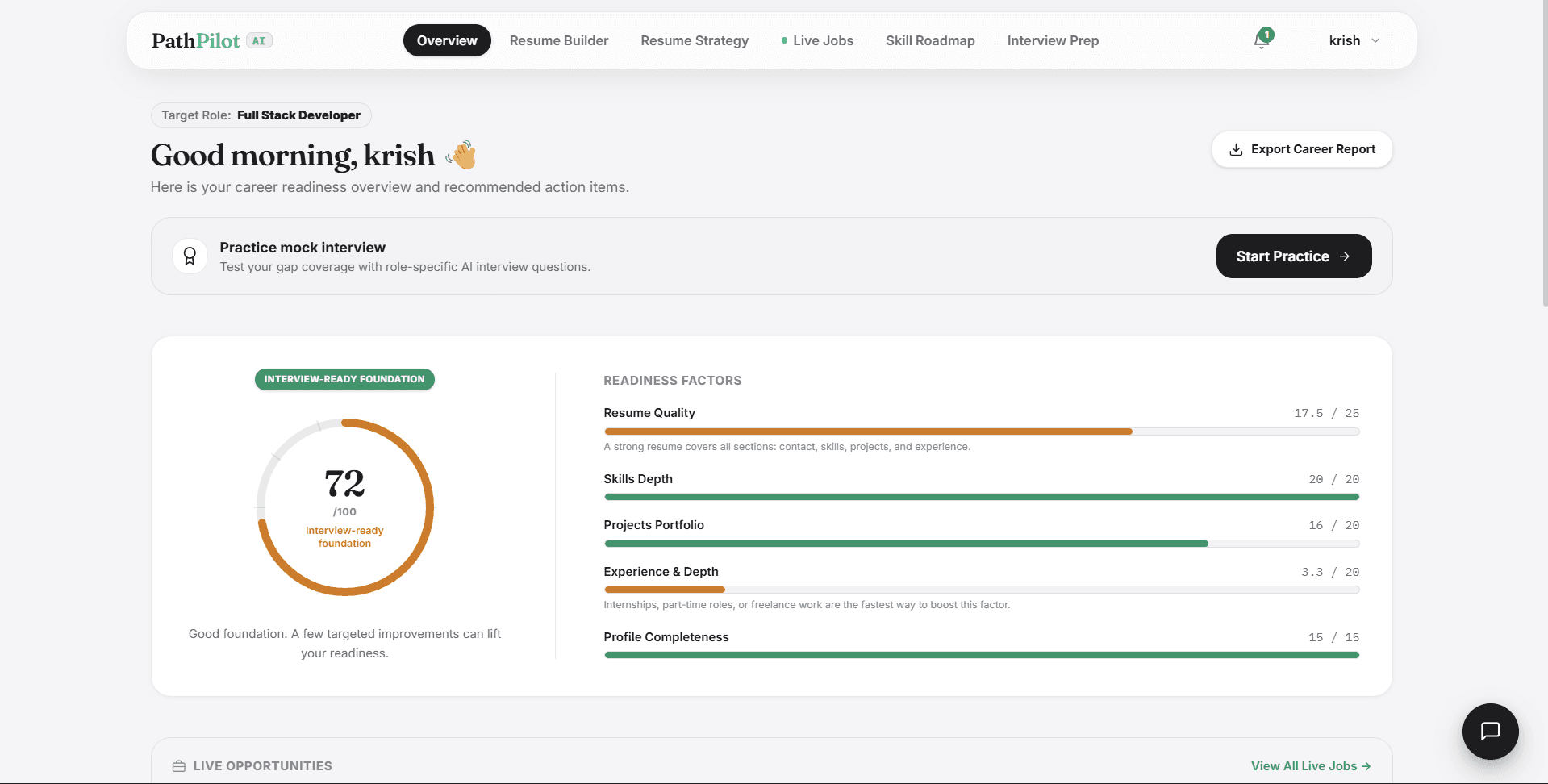
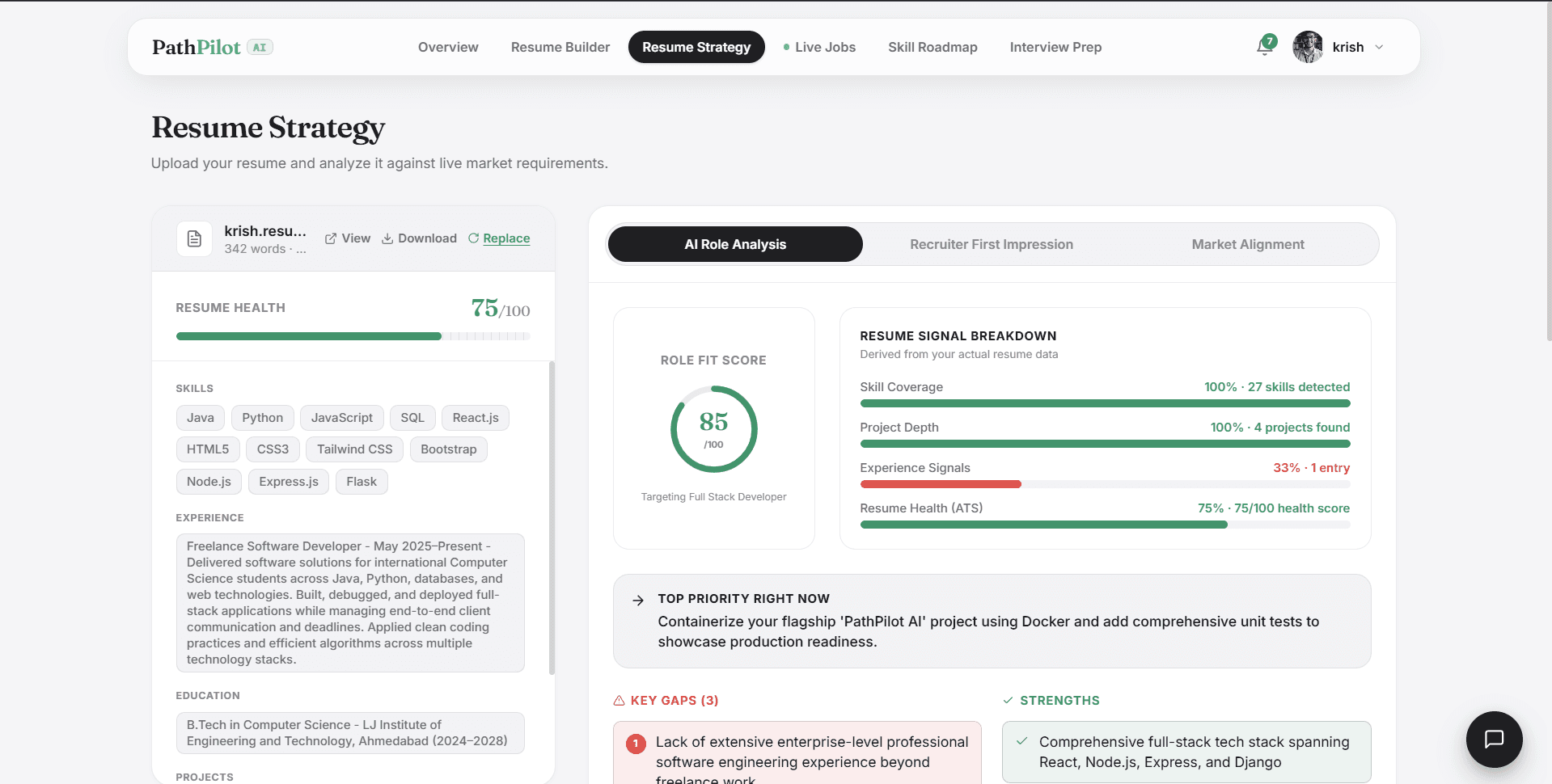
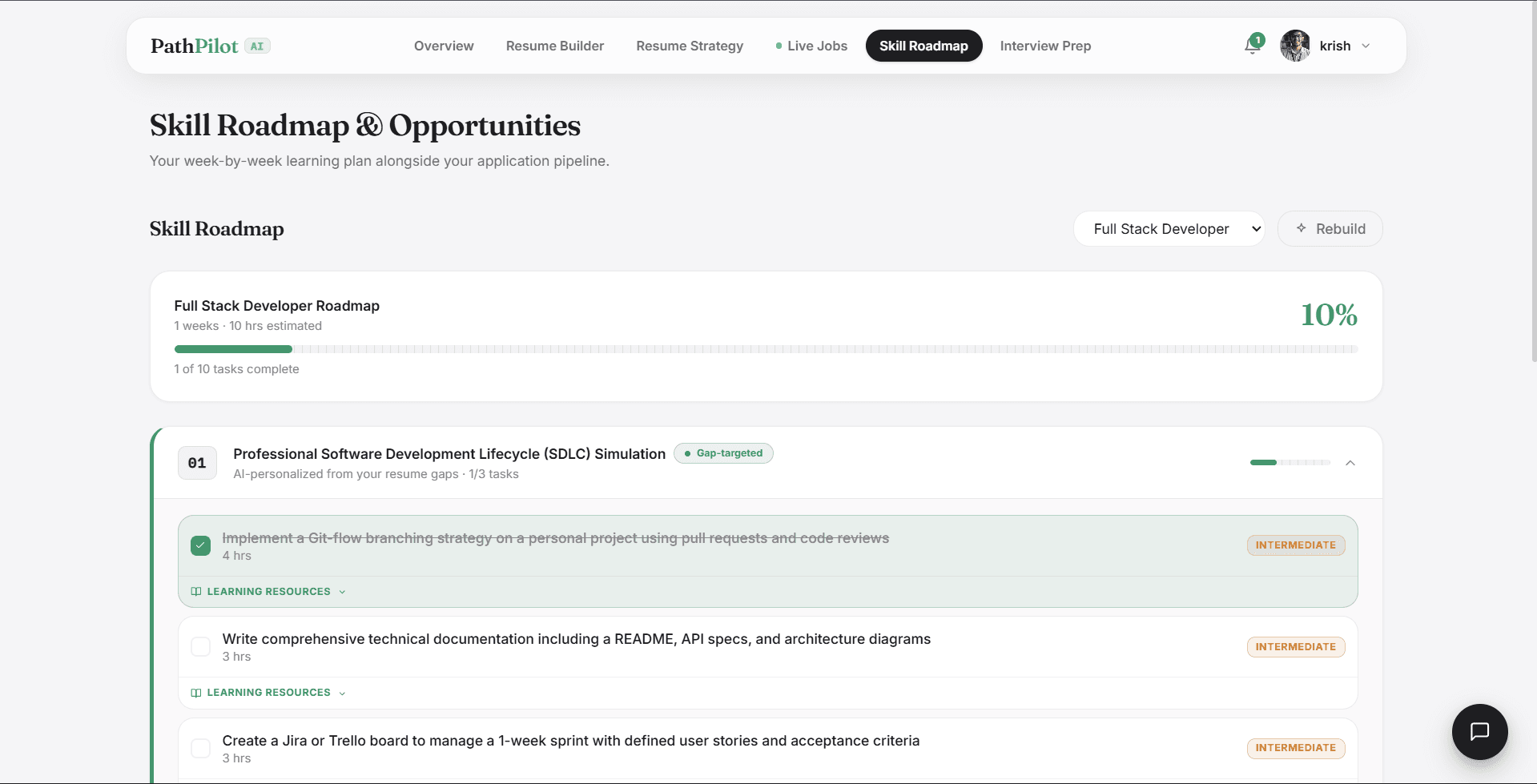
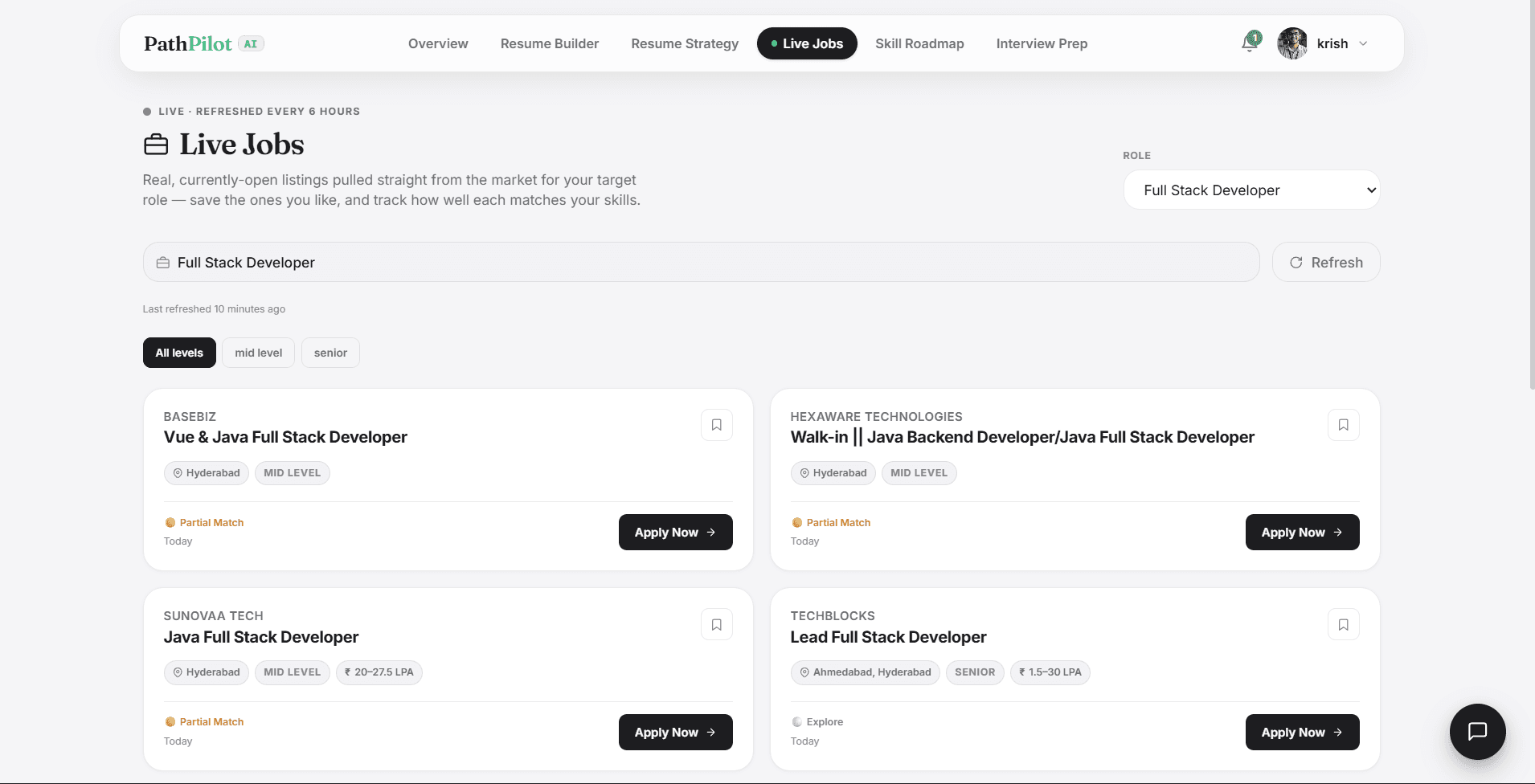
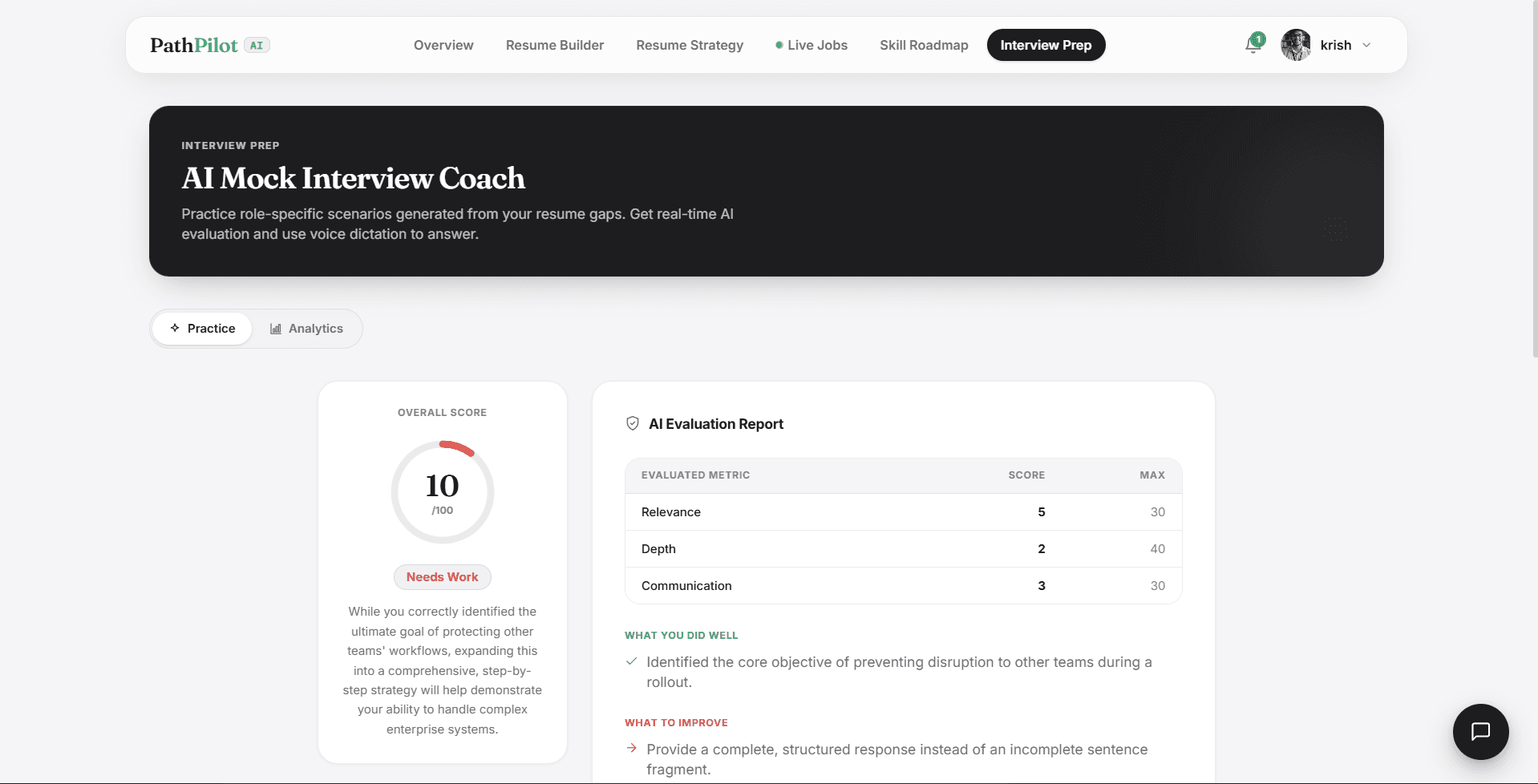
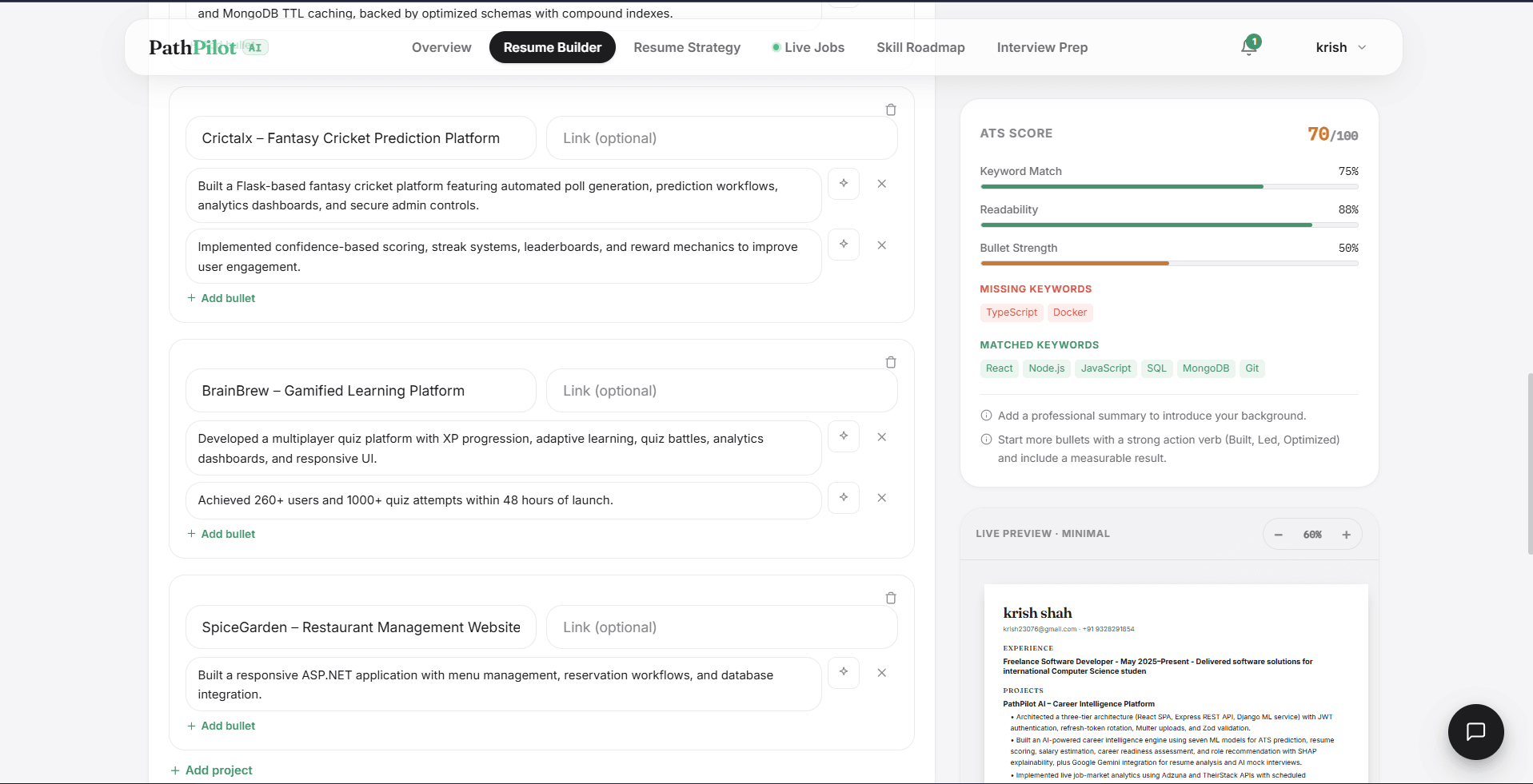
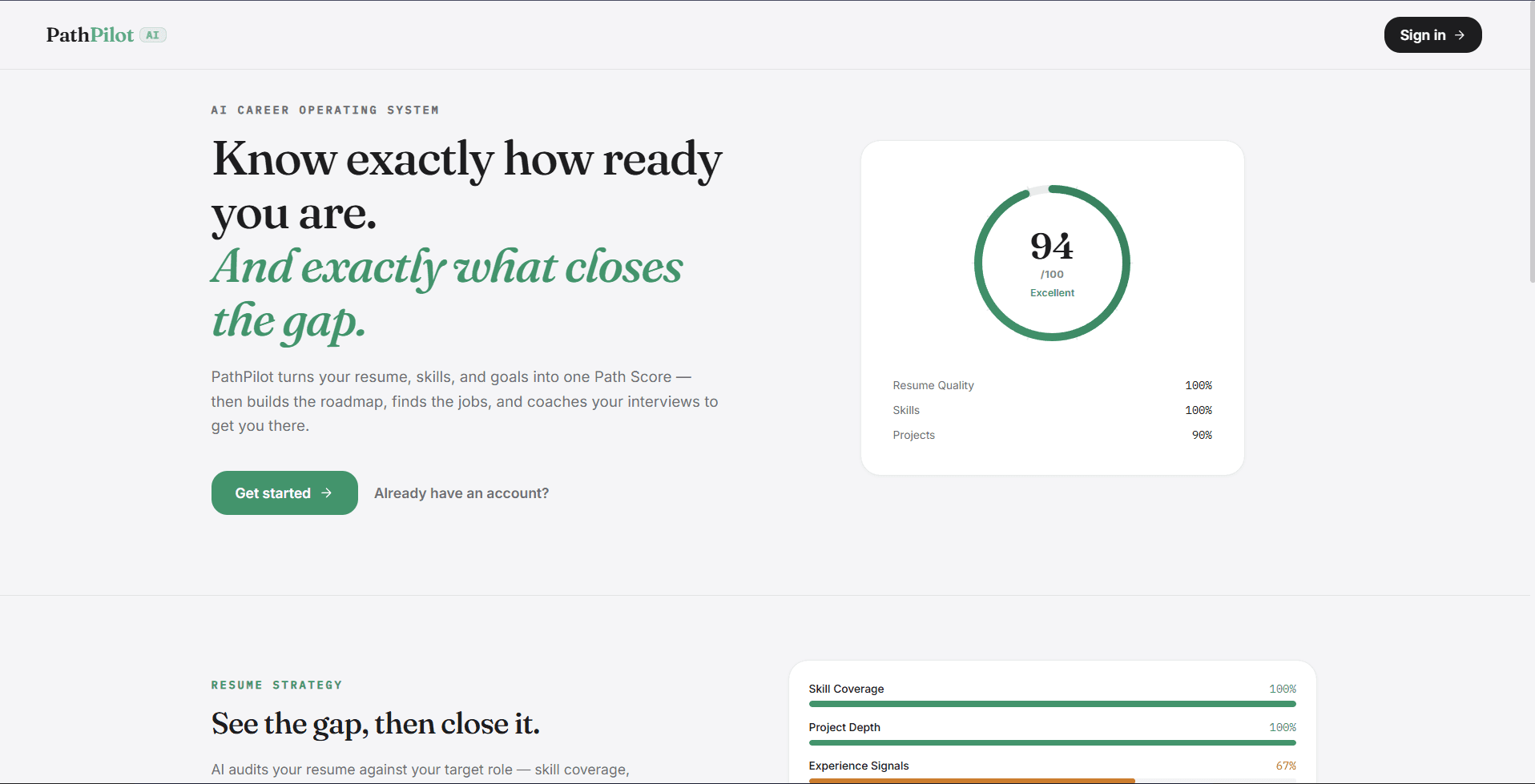
System Evolution
Engineering Decisions
Why split into React + Node + Django?
Node handles auth, CRUD, files, and app orchestration while Django hosts ML inference where Python libraries are strongest. This separation keeps boundaries clear and deployments independent.
Why both ML models and Gemini?
ML models produce structured numeric predictions for reliability, while Gemini explains those outputs and provides actionable guidance. Deterministic scoring first, narrative intelligence second.
Feature Set
BrainBrew
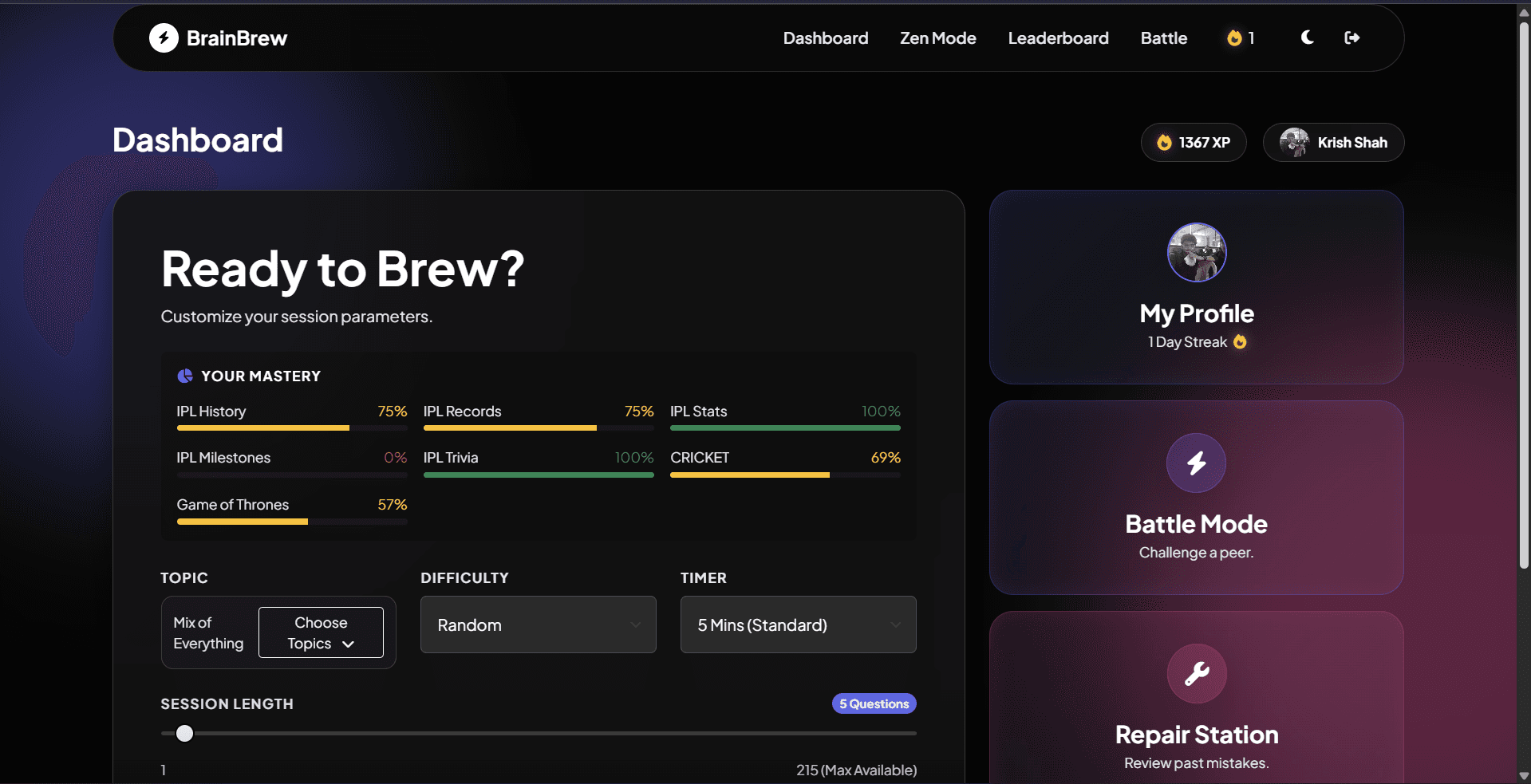
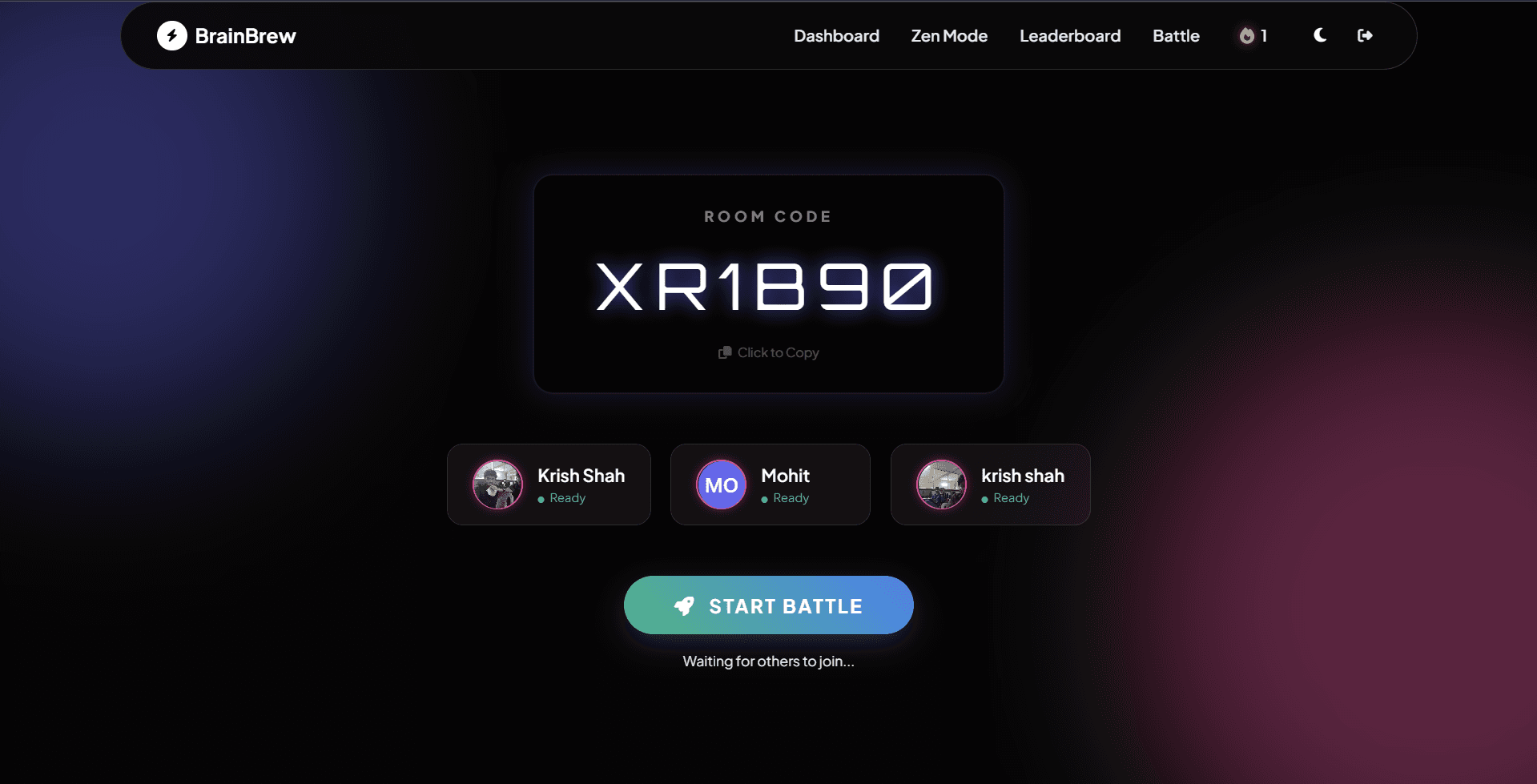
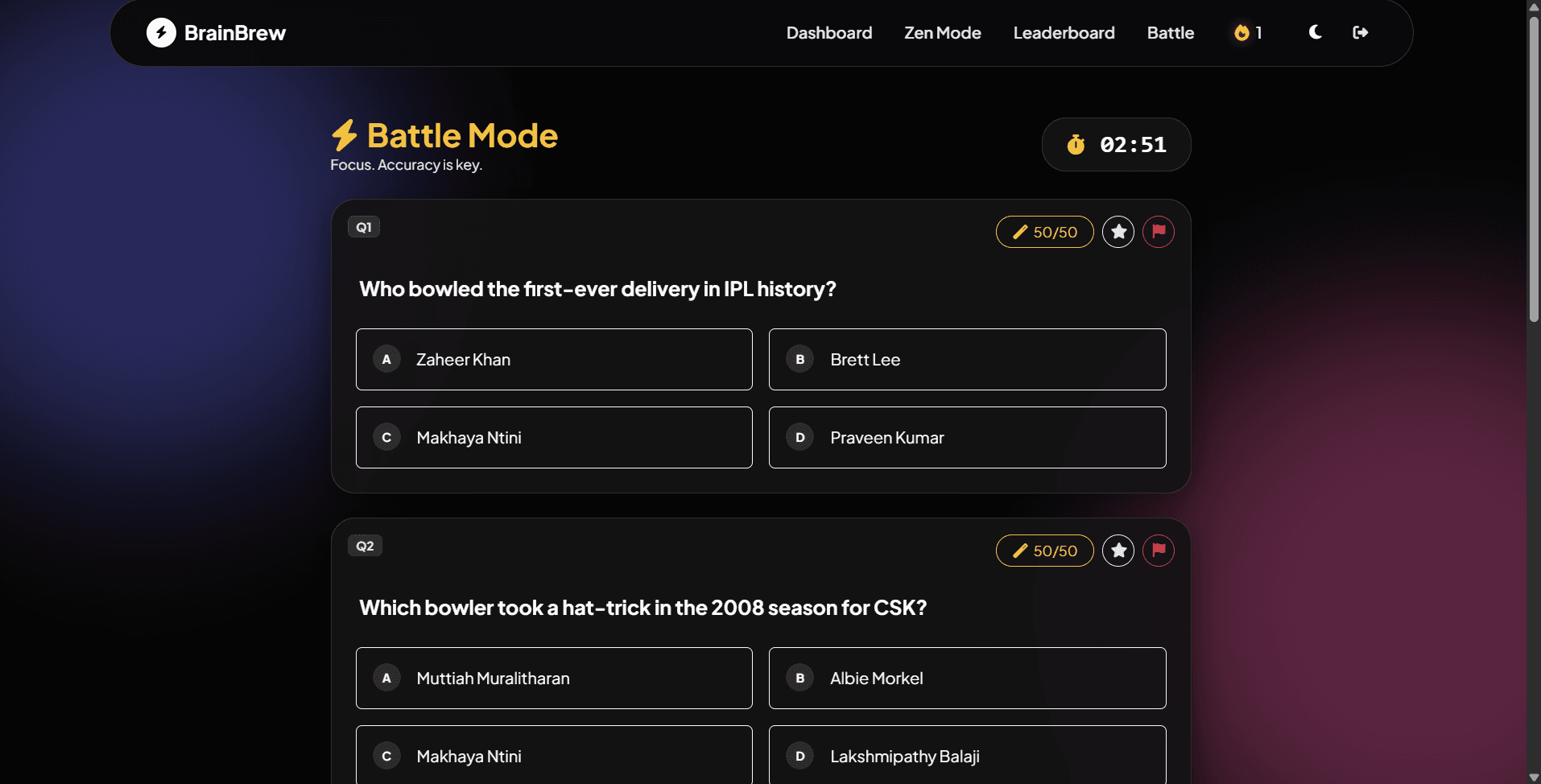
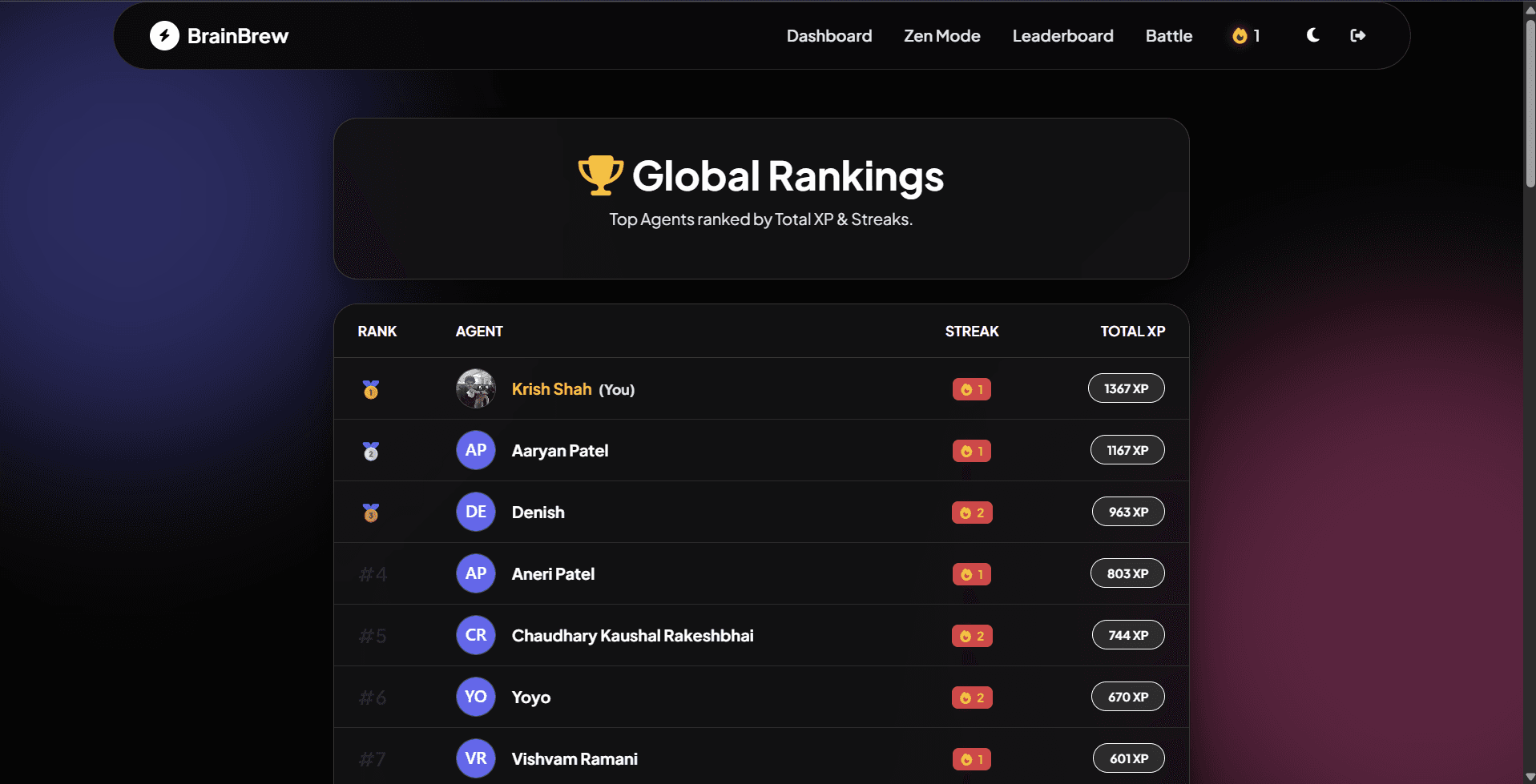
Multiplayer Gamified Learning PlatformMultiplayer quiz ecosystem with real-time quiz battles, XP progression, and performance analytics. Built to make studying competitive and addictive.
260+ users in 48 hours. First time building real-time multiplayer state management. The matchmaking logic was rewritten three times.
Crictalx
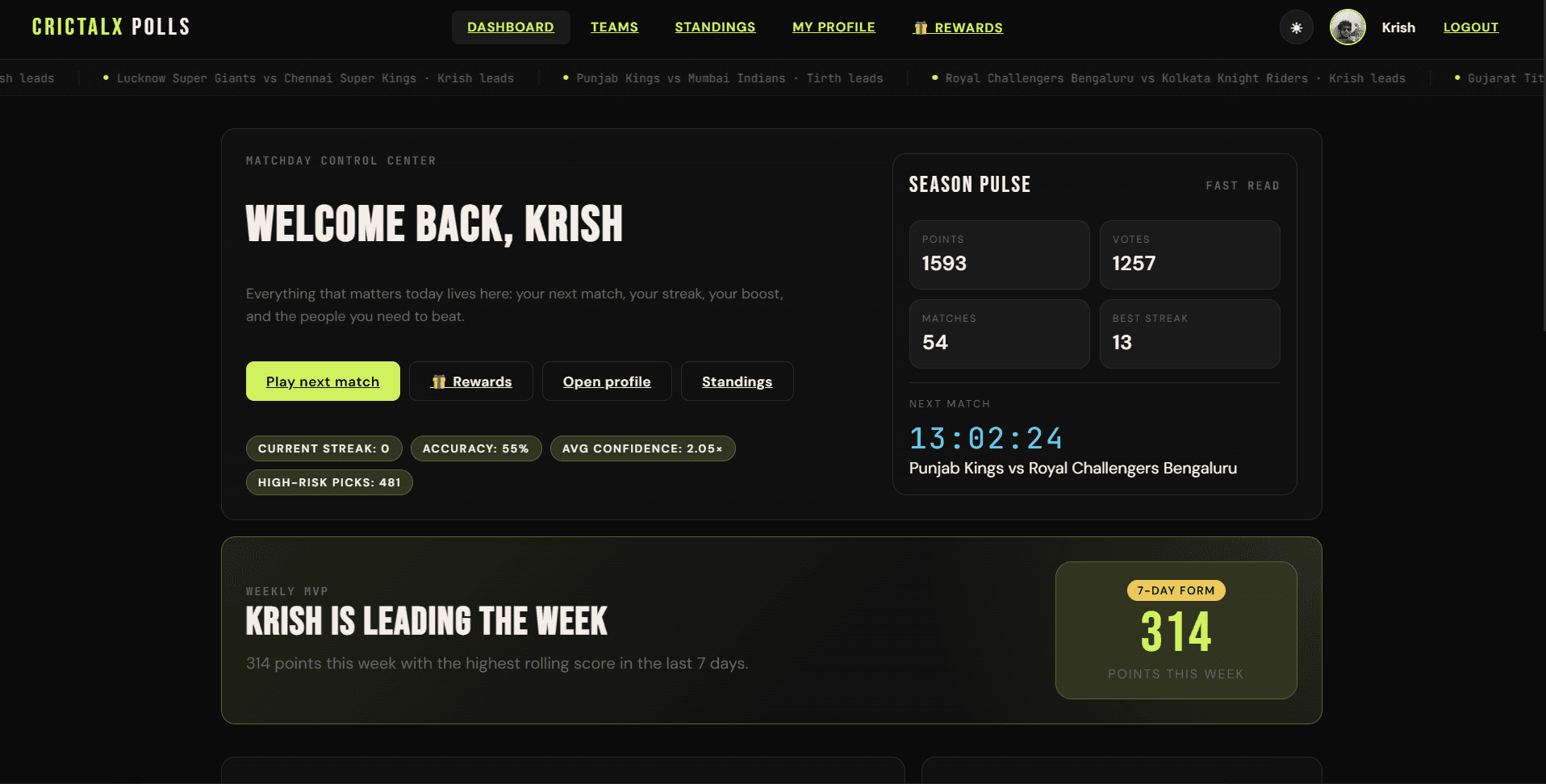
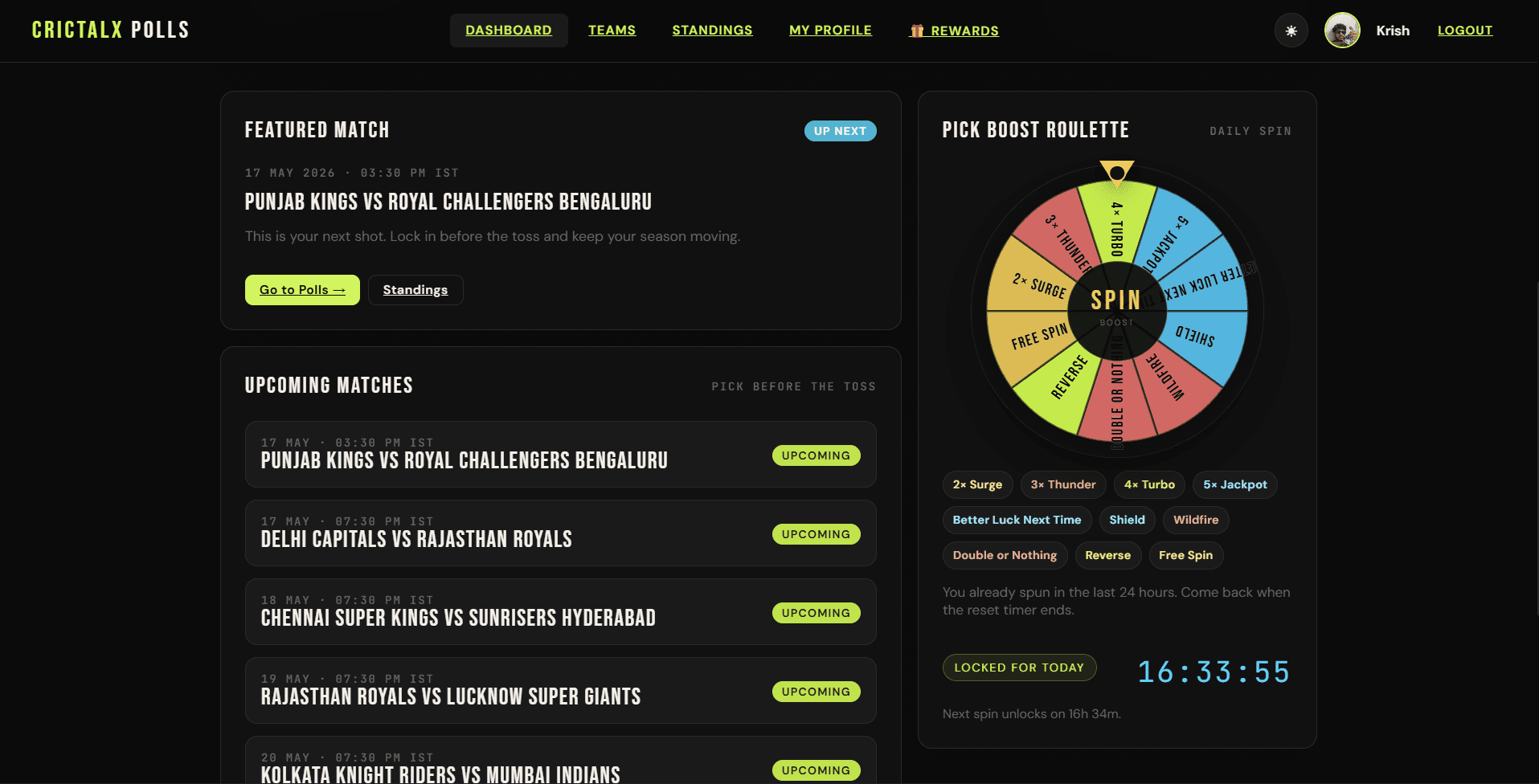
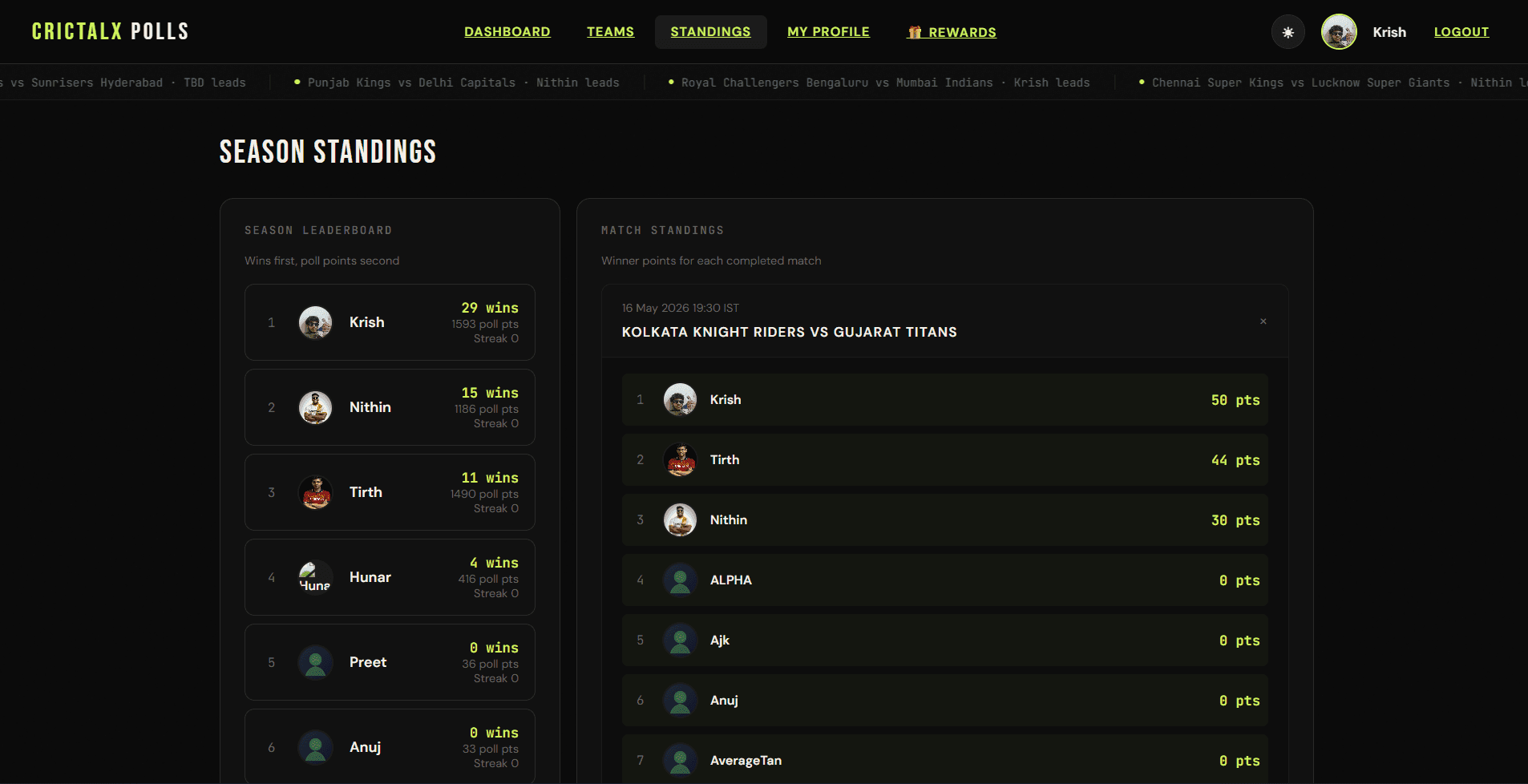
crictalx.kreesh.me →Fantasy cricket prediction and engagement product featuring poll generation, scoring systems, leaderboards, and analytics loops.
Predictions only felt worth making once scoring updated instantly instead of after the match ended. Moving to live scoring was a small backend change that made a much bigger difference to engagement than any new feature.
SpiceGarden
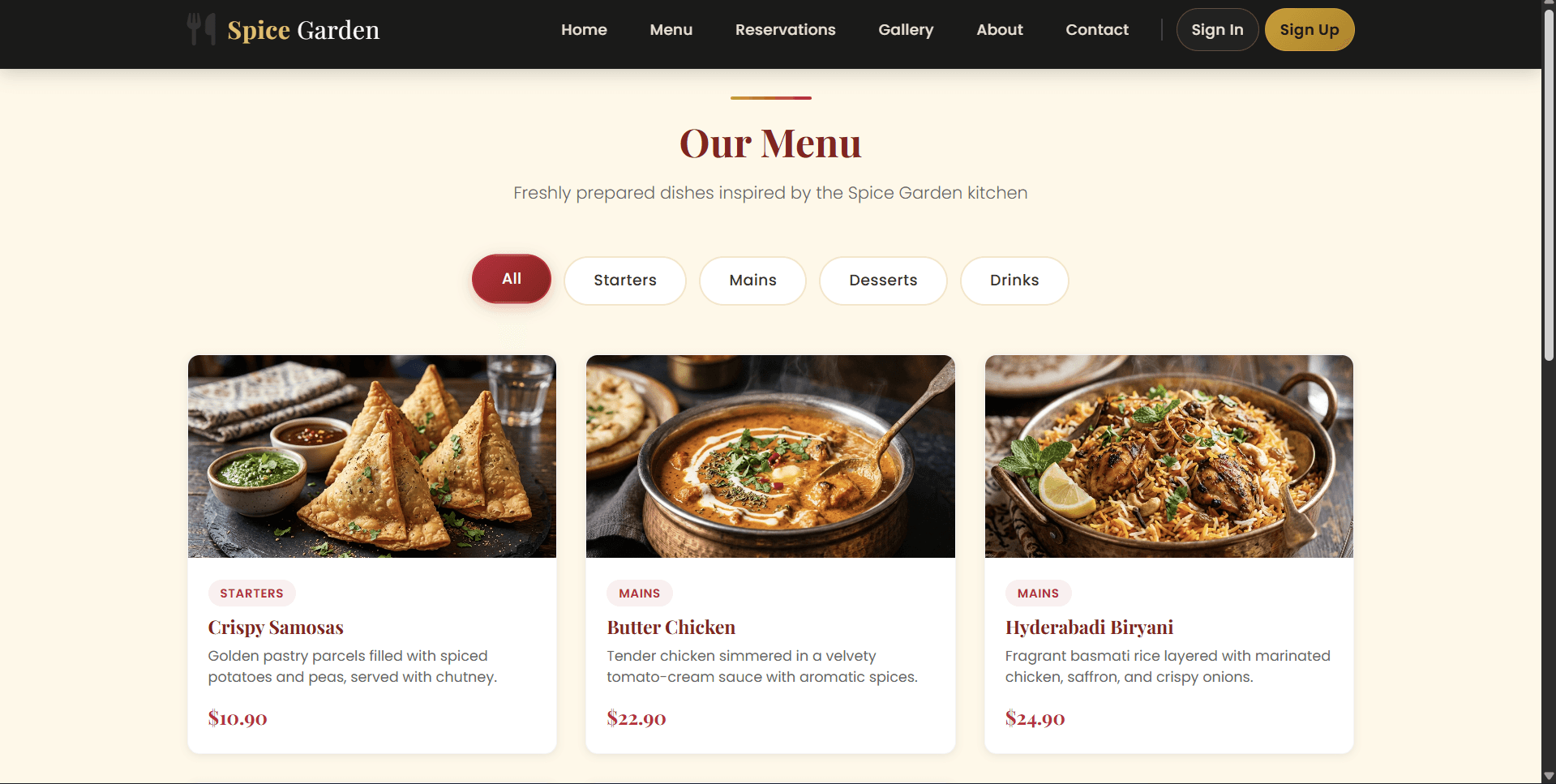
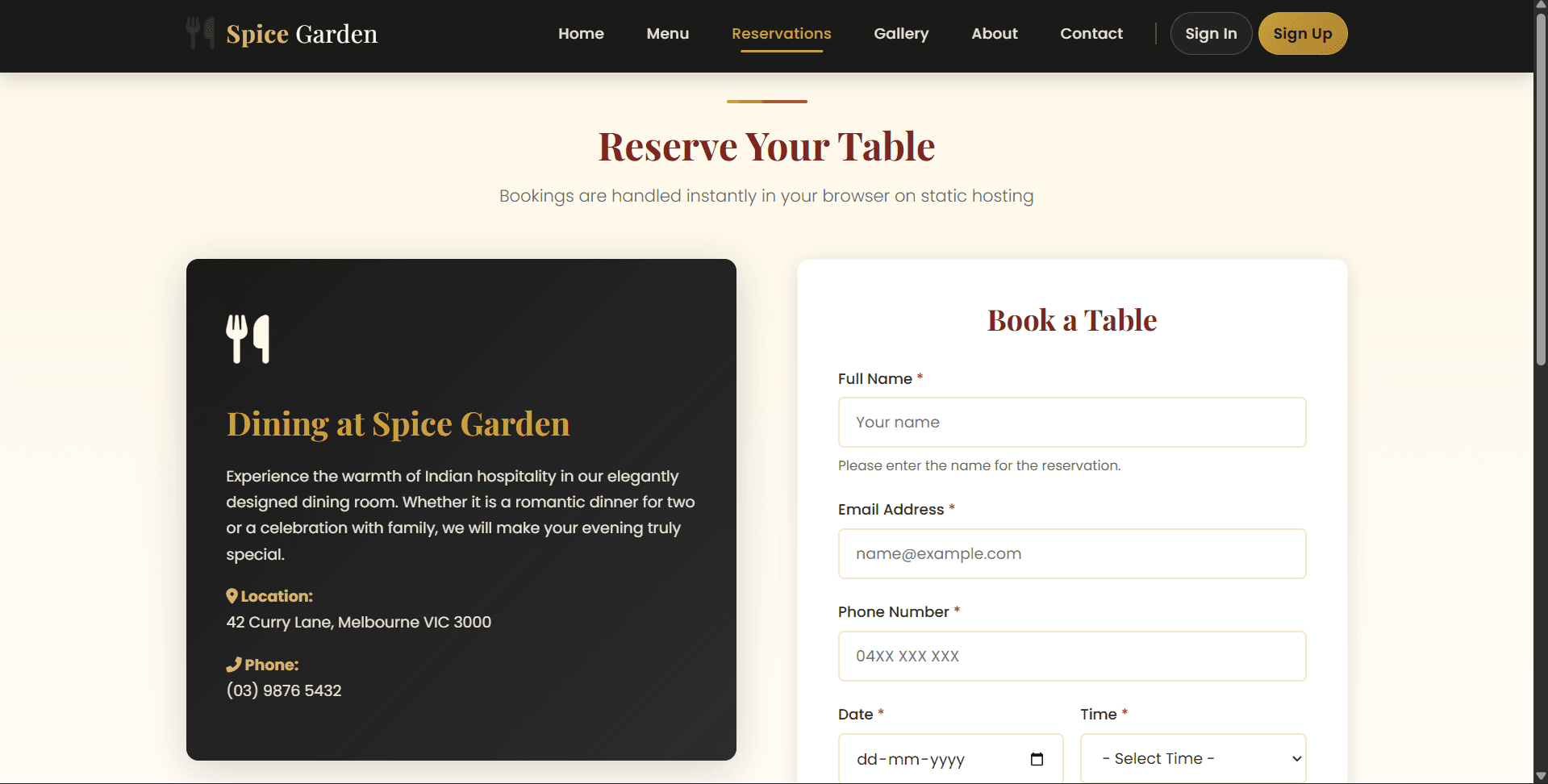
spicegarden.kreesh.me →Front-end coursework project. Multi-page restaurant site with menu, reservation flow, and responsive design in vanilla HTML/CSS/JS.
First project where I had to keep a consistent layout across five separate pages by hand, with no framework or component system. Fighting CSS drift between Menu, Reservation, and Gallery pages taught me why component-based styling exists.

Observations from Building
Things I learned by shipping, not by reading.
“Interfaces should be self-explanatory”
Early versions of Crictalx relied on written guides to explain each feature. Adoption stayed flat until I redesigned the flow to be self-evident, which roughly tripled usage afterward.
Learned while building crictalx v1.0, march 2026Engagement requires stakes, not just rewards
Adding XP and badges to BrainBrew had little effect on behavior. Introducing confidence scoring (where users stake points on their own certainty) measurably increased engagement. The incentive structure mattered more than the reward itself.
brainbrew, april 2026Early feedback outweighs early polish
The first version of Crictalx was a single Flask route with hardcoded polls. It was purely functional, not refined, yet friends used it daily, and that real usage taught me more than any upfront planning would have.
crictalx v0.1, february 2026Continuity mechanics outperform novelty
Adding a streak counter to Crictalx increased daily return rate more than any single feature addition did. Users came back less for new functionality and more to preserve a habit already in motion.
crictalx v1.3, may 2026Schema design benefits from real usage data
I initially tried to finalize the database schema before writing any code, then rewrote it three times anyway. I now start with a minimal structure and refactor once actual data patterns are clear.
crictalx v2.0, 2026User friction is a reliable product roadmap
Share cards, reward boosts, and the analytics dashboard all originated from specific complaints raised by users. Direct feedback consistently outperformed planning sessions as a source of prioritization.
all projects, ongoingEngineering DNA
Systems Patterns I Gravitate Toward
Types of Problems I Enjoy
Current Workbench
PathPilot AI Hardening
active · 70%Security hardening, test coverage, and architecture cleanup post-v2.1
DSA
learning · 25%Data structures and algorithms: building problem-solving fluency
Exploring ML
exploring · 30%Regression, classification, and model evaluation: building to understand
Tools & Technologies
Currently
Say something
Project ideas, opportunities, or just a chat about what you're building.